
Sparks on the Streets: How Charcoal, Wood, and Gas Shape Global Grilling
From smoky alleys in Osaka to bustling souks in Marrakech, the fuel under the grate changes flavor, rhythm, and ritual. Today we explore Charcoal, Wood, or Gas? Fuel Traditions of Street Grilling Across Cultures, tracing how each fire source molds technique, seasoning, and community. Expect practical tips, lively stories, and evidence-backed insights that help you taste the difference, recreate the magic at home, and join a worldwide fellowship of curbside cooks who turn simple flames into memory-making meals.
Heat, Aroma, and the Stories Carried by Smoke
Fuel is more than ignition; it is character. Charcoal concentrates heat and clarity, wood adds narrative layers of perfume and crackle, and gas delivers precise tempo and compliance for crowded, fast-moving streets. Around these choices gather families, customers, and night market traditions where timing, patience, and craft determine not only doneness and texture but also the shared atmosphere that keeps a queue smiling and strangers chatting while sparks drift into evening air.
Building the Fire: Methods That Make or Break a Stall
Technique turns raw fuel into reliable hospitality. Street cooks master airflow, coal depth, and grate height like musicians tune instruments before a set. They preheat with patience, read wind and humidity, and adjust batches mid-service without losing rhythm. Good firecraft means fewer flare-ups, cleaner flavors, and happy neighbors. Great firecraft means a line that grows as the night deepens and a reputation that follows the cook from market to market.
Shaping a charcoal bed
Create two zones: a fierce sear bank and a gentler finish zone. Use a chimney to avoid lighter-fluid flavors, then rake embers evenly for predictable heat. Manage vents to fine-tune oxygen, tap ash to prevent suffocation, and flip by feel. Add fresh coals at the edges, not directly under proteins, keeping temperatures stable through long, busy stretches of service when every minute matters.
Reading wood like a seasoned pitmaster
Split logs for quicker ignition and consistent coal creation, then pre-burn to embers that cook cleanly without bitter soot. Match species to food: fruitwoods for delicate fish, denser hardwoods for beef or game. Keep a moisture meter handy, and avoid sap-heavy cuts that smoke harshly. Stir ember beds between batches, rake away ash, and listen for the subtle hush that signals steady, even heat.
Vendors, Voices, and the Lessons of a Night Market
Keiko’s binchotan alley in Tokyo
Keiko learned to judge binchotan by sound, settling skewers when a gentle hiss replaces a sharp sizzle. Her tare caramelizes cleanly over the clear heat, and she refuses shortcuts, even on cold nights. Regulars watch her clock invisible seconds with a quiet hand tap, then grin when the skin blisters perfectly. The coal’s restraint lets chicken hearts shine, and the queue never seems to shrink.
Sipho’s corner braai in Johannesburg
Sipho favors seasoned acacia for its assertive, comforting smoke. He lights early, building a deep ember bed and turning boerewors with a battered fork his father used. When wind gusts, neighbors help shield the flame with cardboard and laughter. Marinade is simple—salt, garlic, lemon—but the fire adds its own paragraph. “If the coals are right,” he says, “strangers eat like cousins.” The street nods in agreement.
A Beirut cart adapting to regulations
When open flames tightened under city rules, a family cart switched to gas, fearing the soul would vanish. Instead, they tucked rosemary sprigs on the grate, used a smoke box for warmth of aroma, and mastered perfect, quick sears. The cylinder swap program improved safety, neighbors praised cleaner evenings, and regulars kept coming. The lesson spread: creativity, not stubbornness, keeps beloved flavors alive in changing cities.

Health, Environment, and Rules That Keep Streets Alive
Great street food respects lungs, trees, and shared sidewalks. Vendors navigate emissions, fuel sourcing, and safety codes while protecting the magic of live fire. Cleaner briquettes from coconut shells reduce sparks and odor; seasoned hardwood lowers soot; gas offers a practical baseline in dense blocks. Clear signage, careful layout, and routine inspections keep confidence high. When communities collaborate, smoke becomes invitation, not irritation—and grills remain welcome neighbors.
Designing for charcoal’s dry radiant heat
Aim for spice-forward mixes with controlled sugar: suya’s peanut, cayenne, ginger, and paprika thrive, while yakitori-style tare benefits from small, frequent brushes. Salt early for deeper seasoning, then finish with a last gloss to shine. Rest briefly to let crust relax. Charcoal’s dryness intensifies aromatics, so grind fresh and toast whole spices. The result is a snap of bark around juicy centers that feels irresistible.
Matching wood species to protein and mood
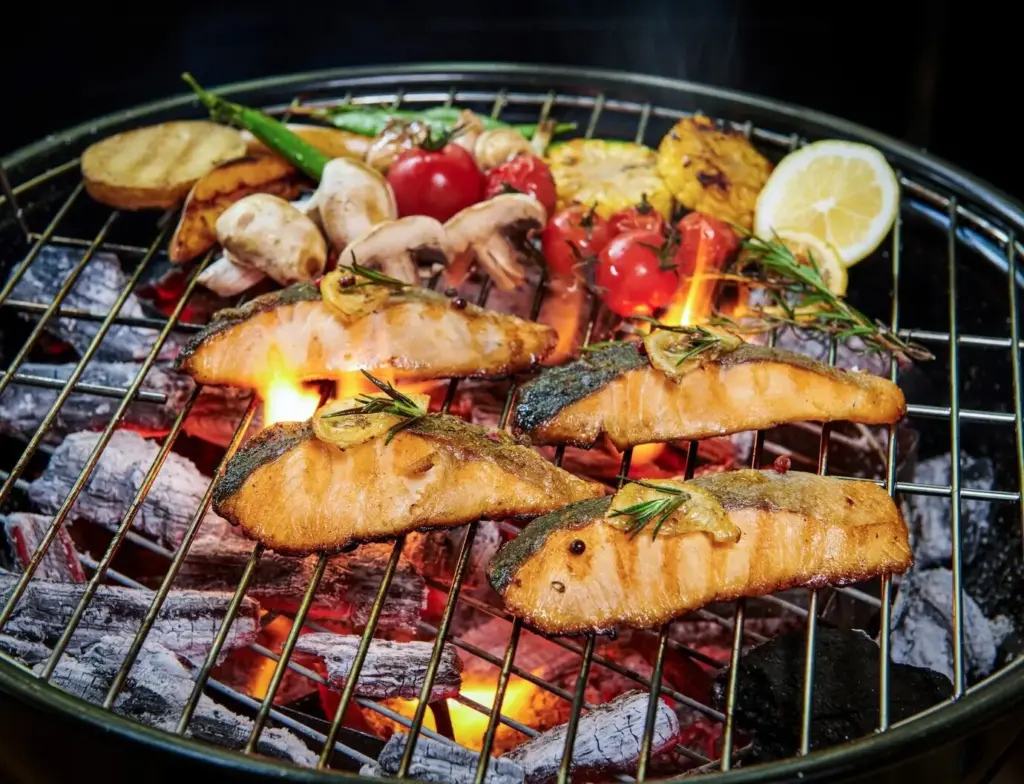
Cherry flatters salmon with rosy sweetness; oak backs beef with sturdy backbone; olive wood adds herbal warmth to lamb; grapevine gives a delicate accent to vegetables and cheese. Skip soaking chips; aim for clean embers instead. Build a dry pellicle on proteins for better smoke adhesion, and balance richness with citrus or pickles. Thoughtful pairing makes the flame feel like conductor, guiding a chorus rather than shouting.
Making gas whisper like a wood pit
Tuck dry chips or tea leaves into a foil pouch, pierce vents, and set over a burner for gentle perfume. Add rosemary or thyme sprigs directly to the grate as edible incense. Use cast-iron grates for heft, preheat patiently, and finish with a quick torch kiss if you crave extra char. These tweaks respect the speed and control of gas while gifting complexity that surprises loyal regulars.
Bring the Street Home: Gear, Space, and Community
You can recreate curbside energy without a cart. Compact hibachi or konro grills make balconies sing, while small gas units offer discreet control indoors where regulations allow proper ventilation. Plan menus for quick turnover, smoke-aware neighbors, and tidy cleanup. Invite friends to share marinades, play music that matches the sizzle, and turn a weeknight into celebration. Then tell us what worked, what didn’t, and what you’ll light next.
All Rights Reserved.